
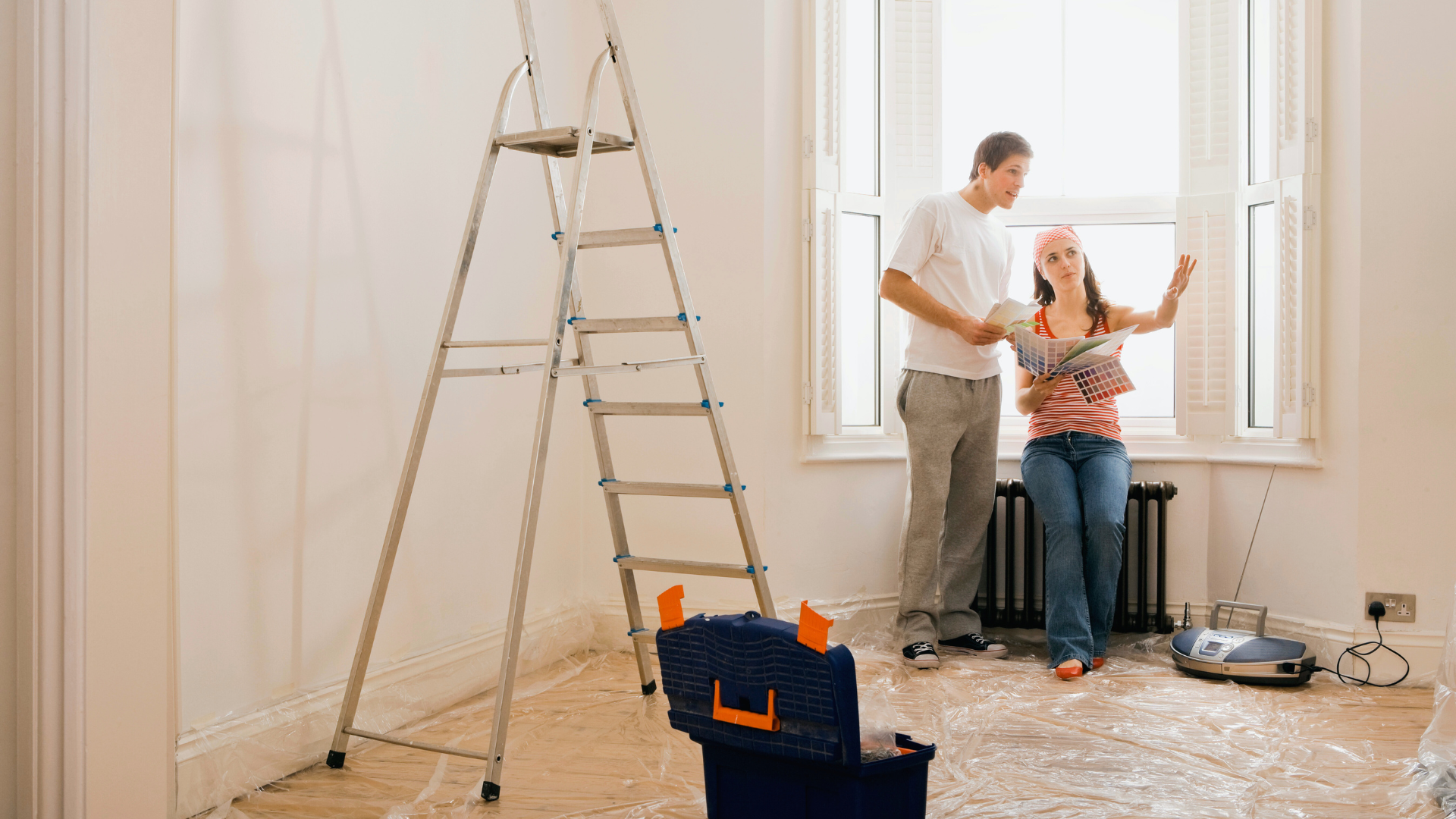
Many homeowners want to improve their property without overspending. Budget-friendly home improvements can make a noticeable difference without requiring a large investment. Simple upgrades like fresh paint, improved lighting, and updated fixtures can add real value to a home.
These improvements not only enhance the visual appeal but also increase functionality and comfort. They are practical choices that attract buyers or simply improve everyday living. Taking a strategic approach helps avoid costly mistakes while maximising return on investment.
Understanding which projects truly add value allows homeowners to make informed decisions. This article will highlight effective, affordable improvements that yield tangible benefits.
Top Budget-Friendly Home Improvements That Add Value
Simple updates can make a significant difference without requiring a large budget. Prioritising cost-effective projects like painting, replacing fixtures, enhancing lighting, and installing new flooring can improve both the look and value of a home.
Fresh Coat of Paint
A fresh coat of paint is one of the most economical ways to revitalise a property. Neutral colours like soft greys, beiges, or off-whites appeal broadly and create a clean, modern look that attracts buyers.
Preparation is crucial: proper surface cleaning and minor repairs prevent peeling and ensure smooth application. Painting trim and doors can also improve the overall impression without much additional cost. DIY painting typically reduces labour expenses significantly, making this a cheap home improvement with a strong return on investment.
Update Fixtures and Fittings
Replacing dated fixtures and fittings boosts a home’s appeal with minimal expense. Swapping old taps, door handles, and cabinet knobs for modern, aluminium or brushed nickel versions refreshes kitchen and bathroom spaces instantly.
It is advisable to select neutral, timeless styles that fit the existing decor to avoid future replacement. Fixtures showing wear contribute negatively to perceived home quality, so this upgrade targets visible details that matter to potential buyers.
Upgrade Lighting
Modernising lighting fixtures and bulbs can transform dark or outdated rooms. Installing LED bulbs reduces energy costs and adds consistent brightness. Replacing old ceiling fixtures with sleek designs improves aesthetics and functionality.
Layered lighting—combining task, ambient, and accent sources—enhances room use and appeal. Entryways, kitchens, and living rooms especially benefit from thoughtful lighting. Affordable pendant lamps or wall sconces often outperform basic ceiling lights in creating atmosphere and perceived value.
Modern Flooring Solutions
Flooring impacts home value as much as walls and fixtures. Installing laminate flooring offers a cost-effective alternative to hardwood, providing a similar appearance and easy maintenance. Laminate is durable and resists scratches, making it suitable for busy households.
Hardwood floors remain desirable but come with higher costs. For tighter budgets, replacing worn carpet with laminate or new carpet improves cleanliness and comfort. Choosing neutral tones and quality materials prevents premature replacement and appeals more to buyers.
Enhancing Kerb Appeal on a Budget
Small, targeted updates to a home’s exterior can greatly improve its visual appeal and value. Focusing on landscaping, paintwork, entry points, and pathways allows for noticeable improvements without major expense or extensive labour.
Landscaping and Gardens
Good landscaping starts with clear, tidy planting beds. Removing weeds and applying fresh mulch instantly brightens borders and helps retain moisture.
Using a mix of low-maintenance shrubs and seasonal potted plants adds texture and colour. Positioning pots at the entrance draws attention and creates a welcoming atmosphere.
Lawn care is essential; regular mowing and edging keep the grass neat and structured. Adding simple garden features like solar lights enhances safety and visual appeal after dark.
Refresh Exterior Paintwork
A fresh coat of paint on visible exterior surfaces revitalises a home’s look. Focus on areas prone to weathering, such as window trims, fascia boards, and eaves.
Choose neutral or classic colours to maintain broad buyer appeal. Budget-friendly paint options can perform well if properly prepared surfaces are cleaned and primed.
Using a roller and paintbrush rather than spraying reduces overspray and waste. Attention to detail around doors and windows improves perceived quality.
Install a New Front Door
A new front door acts as a focal point and can transform kerb appeal. Choose a style that complements the home’s architectural character.
Materials like solid wood or modern composite provide durability and security without high cost. Paint the door in an eye-catching, but tasteful colour to stand out.
Fitting new hardware, such as handles and letterboxes in matching finishes, adds a polished effect. A glazed panel or sidelight can increase natural light inside.
Walkway and Driveway Updates
Repairing cracks and uneven sections on walkways improves safety and appearance. Using concrete or paving slabs can provide a clean, structured look.
Pressure washing existing driveways removes stains and algae, instantly freshening the surface. Lining pathways with low-cost edging stones or plants creates clear boundaries.
Adding solar stake lights along paths increases visibility and kerb appeal without running electrical wiring. These small enhancements make entrances more inviting while maintaining budget controls.
Maximising Kitchen and Bathroom Impact
Improving kitchens and bathrooms significantly increases a home’s appeal without high costs. Focused upgrades like updated surfaces, smarter storage, and modern fittings create a fresh look and improve functionality.
Affordable Kitchen Makeovers
Replacing cabinet doors or repainting them can transform the kitchen without a full renovation. Swapping old handles for modern designs adds subtle sophistication at a low cost.
Upgrading kitchen appliances to energy-efficient models improves performance and may reduce bills. New appliances with stainless steel finishes are popular and add a contemporary look.
Lighting adjustments, such as adding under-cabinet lights or pendant lamps, enhance both ambience and task visibility. Simple changes create a welcoming atmosphere without major rewiring.
Bathroom Modernisation Ideas
Installing a new vanity or replacing a dated basin refreshes a bathroom’s appearance quickly. Opt for units that offer built-in storage to cut clutter and enhance usability.
Swapping taps and showerheads for contemporary, water-efficient versions improves both style and sustainability. Matte black or brushed metal finishes are currently in demand.
Regrouting tiles or repainting walls in neutral tones with splashy accents can dramatically clean up the look without replacing everything. It’s a cost-effective way to update tired bathrooms.
Add or Update Splashbacks and Countertops
Splashbacks shield walls from spills and steam, so durable, easy-to-clean materials are essential. Glass, ceramic tiles, and vinyl offer budget-friendly options with varied designs.
Replacing old countertops with laminate or engineered stone provides a polished finish. Laminate options mimic stone at a fraction of the cost. Engineered stone provides durability and a modern look without the price of natural stone.
A well-chosen splashback or countertop acts as a focal point, anchoring the space visually and functionally. They should coordinate with cabinets and flooring for a cohesive design.
Storage Solutions for Small Spaces
Installing pull-out drawers within cabinets maximises space and improves organisation, making items easier to reach. Adding internal dividers keeps utensils and tools tidy.
Wall-mounted shelves or tall cabinets utilise vertical space and reduce countertop clutter. Open shelving can display attractive kitchenware or toiletries, adding personality.
In bathrooms, corner shelves and recessed niches create practical storage without taking floor space. This helps small rooms feel larger and more orderly. Maximising storage reduces visible mess and improves daily functionality.
Efficiency and Comfort Upgrades for Lasting Value
Simple adjustments can significantly improve home comfort and reduce energy bills. Focusing on key areas like insulation, window treatments, and energy efficiency ensures long-term value.
Boost Energy Efficiency
Installing energy-efficient appliances and lighting reduces electricity consumption. LED bulbs use up to 75% less energy than incandescents and last longer. Replacing outdated boilers or water heaters with modern, energy-saving models can cut heating costs by 20–30%.
Programmable thermostats offer precise temperature control, preventing energy waste. Sealing gaps around doors and windows with weatherstripping or draught excluders also contributes to lower heating and cooling bills without major expense.
Upgrade Insulation
Proper insulation retains heat in winter and keeps homes cooler in summer. Loft insulation is one of the most cost-effective improvements, potentially saving up to 25% on heating costs. Floor insulation may benefit ground floors or suspended timber floors, enhancing comfort.
Wall insulation, either cavity or internal, stops unwanted heat transfer. Insulation materials like mineral wool and rigid foam boards are popular for their thermal performance and affordability.
Window Treatments and Blinds
Fitting blinds that block out heat and light helps regulate indoor temperatures. Roller blinds with reflective backing reduce heat gain in summer, while blackout versions improve warmth retention in winter.
Blinds also provide privacy and style without a major investment. They require minimal maintenance and can be adjusted throughout the day to optimise light and thermal control.
Curtains and Soft Furnishings
Heavy, lined curtains improve thermal efficiency by trapping air between the fabric and the window. They reduce draughts and heat loss, especially in older properties with single-glazed windows.
Choosing dense fabrics like velvet or wool enhances insulation. Adding pelmets at the top of curtains can further prevent warm air from escaping through gaps. Using rugs and upholstered furniture helps add warmth and sound insulation inside the room.