
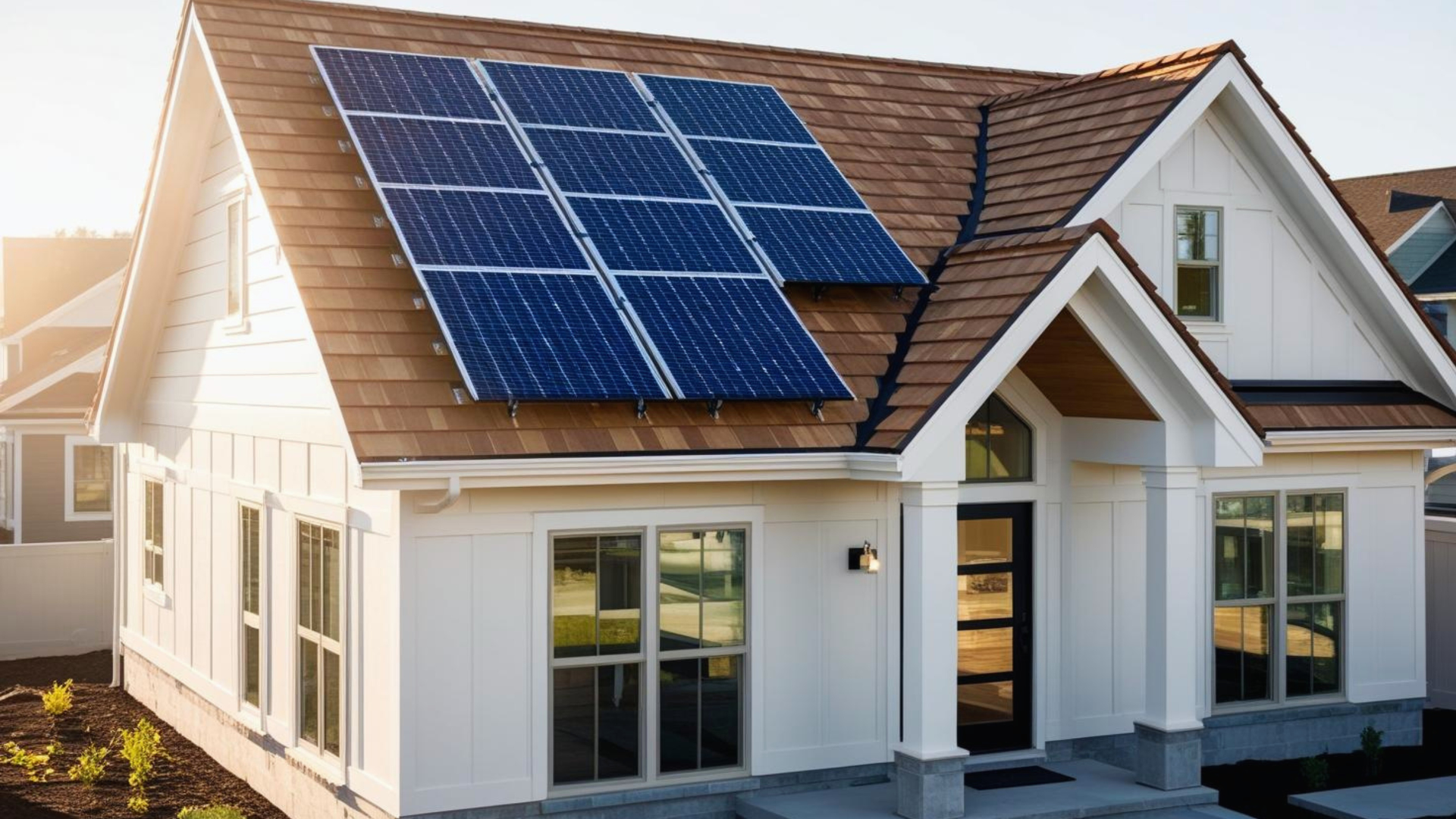
Solar panels offer a practical way to lower energy bills by generating electricity from sunlight, which reduces reliance on traditional power sources. By producing clean energy, solar panels help households and businesses save money while cutting greenhouse gas emissions. This dual benefit makes solar technology an increasingly popular choice.
They also provide long-term financial relief, as the initial investment is offset by ongoing savings and potential government incentives. The reduction in emissions contributes to a cleaner environment, helping to combat climate change on a broader scale.
How Solar Panels Save Money and Cut Emissions
Solar panels provide ongoing financial benefits while reducing harmful emissions. Their use directly lowers energy bills and decreases reliance on fossil fuels. The impact extends to the household level by shrinking the carbon footprint through cleaner energy generation.
Financial Savings From Solar Panels
Solar panels reduce electricity costs by generating free power from sunlight. Homeowners can produce a significant portion of their electricity needs, cutting grid dependence. This often leads to lower monthly energy bills, especially in areas with high electricity rates.
Additionally, many countries offer incentives such as tax credits, grants, or feed-in tariffs that boost the financial return on installing solar panels. Over time, the savings often cover the upfront installation cost, typically within 7 to 12 years.
Maintenance costs are relatively low. Solar panels have no moving parts and usually come with 20- to 25-year warranties. This longevity ensures consistent savings for decades.
Reduction of Greenhouse Gas Emissions
Solar energy systems produce electricity without burning fossil fuels, leading to significant cuts in greenhouse gas emissions. By replacing coal or gas-generated electricity, solar panels help lower carbon dioxide (CO2) emissions, a major driver of climate change.
For every kilowatt-hour of solar energy generated, approximately 0.5 to 1 kilogram of CO2 emissions is avoided, depending on the region’s electricity mix. This switch contributes directly to national and global carbon reduction targets.
Using renewable energy like solar reduces air pollution as well. It avoids pollutants linked with fossil fuel combustion, such as nitrogen oxides and sulphur dioxide, improving local air quality.
Impact on Household Carbon Footprint
Installing solar panels helps households reduce their carbon footprint by cutting emissions tied to electricity use. A typical UK home can lower its annual CO2 emissions by around 1 to 1.5 tonnes by switching to solar energy.
Households connected to solar energy also enjoy greater energy independence. They contribute less to grid demand during peak times, supporting cleaner energy grids.
Tracking energy production and consumption with solar monitoring systems allows households to optimise solar use. This directly supports further reductions in both energy costs and carbon footprint, reinforcing sustainable living choices.
How Solar Panels Work to Provide Clean Energy
Solar panels convert sunlight into electricity using a sequence of processes involving solar cells, power inverters, and battery storage. This system generates clean energy, reducing dependence on fossil fuels and lowering emissions.
Solar Cell Function and Electricity Generation
Solar cells, or photovoltaic (PV) cells, are the core units within solar panels. They consist of semiconductor materials, typically silicon, that absorb sunlight to excite electrons. This excitement creates an electric current by separating charges within the cell.
Each solar cell produces direct current (DC) electricity. Panels contain many cells wired together to increase power output. The efficiency of energy conversion depends on the quality of the cells and the intensity of sunlight received.
Solar panels generate electricity without combustion or emissions. This process directly reduces reliance on fossil fuels, which produce greenhouse gases when burned for power.
Key Components: Inverter and Battery Storage
The electricity generated by solar cells is DC, but most homes and businesses use alternating current (AC). An inverter converts DC into AC, allowing solar power to be compatible with the electrical grid and household appliances.
Battery storage systems store excess solar energy produced during the day. This stored energy can be used when sunlight is not available, such as at night or during periods of low sun. Batteries increase self-consumption and reduce reliance on grid electricity.
Together, the inverter and battery optimise energy use, minimise waste, and enhance the availability of clean electricity.
Role of Clean Energy Versus Fossil Fuels
Solar power is considered clean energy because it produces no direct air pollution or carbon dioxide emissions. Fossil fuels, including coal, oil, and gas, release significant greenhouse gases when combusted for electricity.
Switching to solar panels reduces demand for fossil fuel-based energy, decreasing overall emissions. This shift supports environmental goals like reducing climate change impacts and improving air quality.
Using solar energy contributes to a sustainable energy system by harnessing an abundant, renewable resource that does not degrade the environment.
Environmental Benefits Across the Lifespan of Solar Panels
Solar panels contribute to reducing carbon emissions at different stages, from production to disposal. Their overall environmental impact depends on factors such as manufacturing processes, energy generation during operation, and recycling at the end of life.
Manufacturing and Embodied Carbon
The production of solar panels requires energy and raw materials, generating an initial carbon footprint known as embodied carbon. Manufacturing involves mining silicon, processing it into photovoltaic cells, and assembling panels, which consumes electricity and releases greenhouse gases. However, advances in technology and cleaner energy sources for factories have steadily reduced this footprint.
Typically, embodied carbon ranges between 20 and 70 grams of CO₂ equivalent per kilowatt-hour (g CO₂e/kWh) of electricity generated during the panel’s lifespan. This is lower than fossil fuel power plants, which emit over 400 g CO₂e/kWh. High-quality manufacturing and the use of renewable energy in production help minimise the initial environmental cost.
Operational Emissions Savings
Once installed, solar panels produce electricity with no direct emissions. Over 25-30 years, the average solar system prevents several tonnes of CO₂ from entering the atmosphere by offsetting fossil fuel use. The exact savings depend on geographic location and the carbon intensity of the replaced grid electricity.
Solar power reduces reliance on coal or gas-fired plants, which emit carbon dioxide and pollutants. The cleaner electricity generated directly correlates with carbon reduction goals in homes and businesses, contributing to measurable environmental benefits. The net emissions over a solar panel’s life remain significantly lower compared to other energy sources.
End-of-Life Recycling and Sustainability
At the end of their lifespan, solar panels can be recycled to recover valuable materials like aluminium, glass, and silicon. Recycling reduces waste and the need for new raw materials, further lowering the overall carbon footprint of solar power systems.
Current recycling technologies can recover up to 95% of materials, although uptake varies by region. Proper disposal and recycling mitigate environmental issues associated with landfills and hazardous materials. Integrating sustainable recycling improves the long-term viability and environmental benefits of solar energy.
Maximising Savings and Emissions Reduction With Solar
Using solar panels effectively involves more than installation; optimising how energy is stored and consumed greatly impacts savings and emissions reduction. Adjusting energy habits and combining solar with other green technologies further enhances benefits and lowers reliance on fossil fuels.
Battery Storage and Self-Consumption
Battery storage allows excess solar energy generated during the day to be saved for use at night or during cloudy periods. This increases self-consumption, reducing the need to buy electricity from the grid when it is typically more expensive and carbon-intensive.
Homes with battery systems can avoid exporting surplus power at lower feed-in tariffs. Instead, they consume stored clean energy directly, improving financial returns and environmental impact. The initial cost of batteries is a consideration, but long-term savings from reduced grid dependency often justify the investment.
Energy Usage Habits and Smart Tariffs
Shifting high-energy activities, such as running washing machines or dishwashers, to daylight hours matches energy demand with solar production. This maximises the use of free solar power and lowers electricity bills.
Adopting smart tariffs that offer lower prices during solar peak production boosts savings. Time-of-use tariffs incentivise consuming energy when solar panels generate electricity, further reducing costs and emissions from grid electricity, often produced from fossil fuels.
Integrating Solar With Other Green Upgrades
Pairing solar panels with energy-efficient appliances, insulation, or heat pumps enhances overall energy performance. Efficient appliances reduce electricity demand, allowing solar systems to cover a larger share of a household’s energy needs.
Other upgrades can also improve battery storage efficiency and system reliability. Combining these technologies creates a more resilient, cleaner energy system and accelerates carbon emission reductions by cutting reliance on non-renewable sources.