
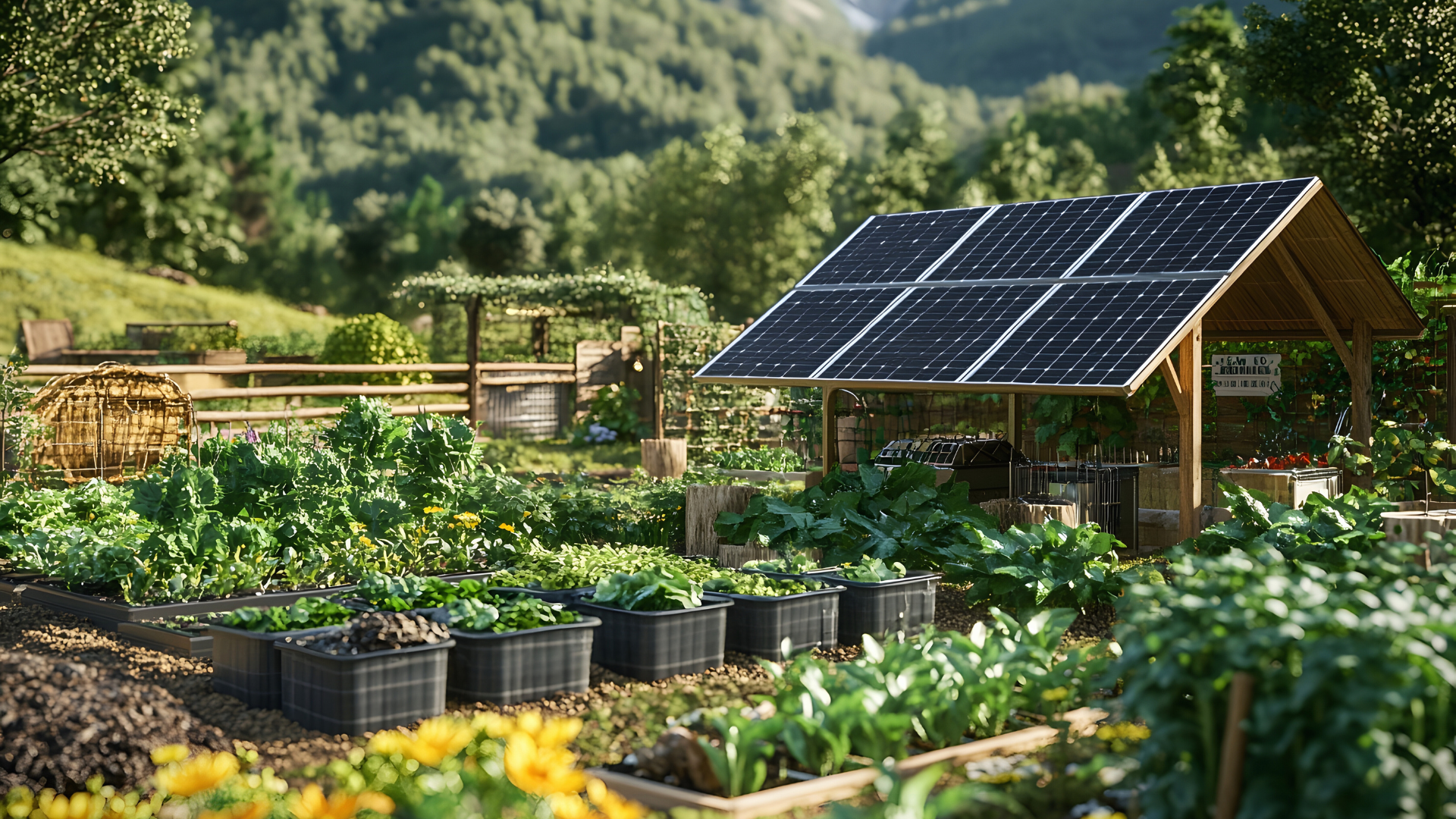
Sustainable choices in gardening focus on using resources wisely and selecting plants that suit the local environment. These decisions can significantly reduce the time and effort needed to maintain a garden, making it easier to manage over the long term. By choosing drought-resistant plants, improving soil health naturally, and reducing chemical use, gardeners can cut down on watering, weeding, and pest control.
Implementing composting and mulching also helps retain moisture and suppress weeds, further lowering maintenance demands. Sustainable gardening practices encourage a more self-sufficient garden that supports local wildlife and requires fewer interventions.
This approach not only benefits the gardener by saving work but also contributes positively to the environment. Embracing sustainability creates a garden that thrives with minimal ongoing effort.
Key Principles of Sustainable Gardening for Reduced Maintenance
Sustainable gardening employs strategies that simplify garden upkeep by working with natural processes. Its focus includes choosing resilient plants, conserving resources, and encouraging local wildlife. These methods create gardens that need less intervention and support long-term health.
What Is Sustainable Gardening?
Sustainable gardening means designing and managing gardens to minimise environmental impact while maximising efficiency. It involves selecting native or drought-tolerant plants that require less water and fertiliser. By using organic compost and mulch, gardens maintain soil health and reduce the need for chemical inputs.
Sustainable gardens often avoid invasive species, preventing extra work in controlling unwanted plants. They promote the recycling of garden waste through composting, cutting down on rubbish and nutrient loss. Irrigation systems are optimised to reduce water wastage, further lowering maintenance demands.
How Sustainable Choices Lower Garden Upkeep
Choosing the right plants is key to cutting maintenance. Native species are adapted to local conditions, so they need less watering and pest control. Grouping plants with similar water and light needs simplifies care routines and reduces stress on plants.
Mulching conserves moisture, suppresses weeds, and limits soil erosion, which reduces the time spent on watering and weeding. Incorporating drip irrigation systems targets water efficiently, saving effort and resources. Using organic fertilisers promotes healthier soil, reducing disease susceptibility and the need for chemical treatments.
The Role of Biodiversity in Low-Maintenance Gardens
Biodiversity enhances garden resilience by supporting beneficial insects, birds, and microorganisms. These natural allies control pests and improve pollination, limiting the need for artificial pesticides. Diverse plant species create balanced ecosystems that are less prone to disease outbreaks.
Encouraging a variety of habitats, such as log piles and wildflower patches, attracts wildlife that maintains garden health naturally. This balanced environment fosters sustainable gardening practices by reducing reliance on external inputs and lowering ongoing maintenance requirements.
Smart Plant Selection and Garden Design
Selecting the right plants and designing the garden effectively can greatly reduce maintenance needs. Incorporating sustainable materials and features that support wildlife further eases upkeep by promoting natural balance.
Choosing Native and Drought-Tolerant Plants
Native plants are adapted to local soil, climate, and pests, requiring less water and fertiliser. This reduces lawn irrigation and chemical use, cutting maintenance time.
Drought-tolerant plants, such as lavender or yucca, thrive with minimal watering. Combining native and drought-resistant varieties creates resilient plantings that survive dry spells without frequent care.
Companion planting supports pest control naturally by attracting beneficial insects, reducing the need for pesticides. Selecting species that bloom at different times ensures continuous colour and ground cover, limiting weed growth.
Designing with Raised Beds and Sustainable Materials
Raised beds improve soil drainage and aeration, encouraging healthy roots and reducing plant stress. This design confines planting areas, making weed control and soil amendments more manageable.
Using sustainable materials like reclaimed wood, recycled plastic, or locally sourced stone for raised beds lowers environmental impact. These durable materials require less replacement and upkeep over time.
Raised beds also extend growing seasons by warming the soil faster in spring. This allows gardeners to optimise planting schedules and avoid frequent replanting.
Incorporating Pollinators and Wildlife-Friendly Features
Including pollinator-friendly plants, such as wildflowers, attracts bees and butterflies, which improve fruit and flower production naturally. This reduces reliance on manual pollination or artificial aids.
Features like bird baths provide water sources for birds that control garden pests. Native shrubs offer shelter, encouraging birds and beneficial insects to stay year-round.
Creating habitat supports biodiversity and balances the garden ecosystem, lessening pest outbreaks and the need for chemical intervention. This approach promotes sustainable garden health with lower maintenance effort.
Sustainable Gardening Practices to Minimise Effort
Sustainable gardening techniques focus on reducing the time and resources needed for upkeep while supporting plant health naturally. These methods include optimising soil quality, conserving water, and managing pests without harsh chemicals.
Mulching and Organic Mulches
Mulching is a simple way to lower garden maintenance by suppressing weeds and retaining soil moisture. Organic mulches such as bark chips, straw, and shredded leaves break down over time, enriching the soil.
Applying a 5-10 cm layer of organic mulch around plants limits water evaporation and reduces the need for frequent watering. It also stabilises soil temperature, protecting roots from extreme weather.
Mulching decreases labour by reducing weed growth, which cuts down on weeding sessions. Choosing local or recycled organic materials improves sustainability and soil health simultaneously.
Composting and Organic Waste Management
Composting transforms kitchen scraps, garden cuttings, and other organic waste into nutrient-rich compost, enhancing soil fertility naturally. Using a compost bin speeds decomposition and helps maintain garden cleanliness.
Adding finished compost to beds improves soil structure, encourages beneficial microorganisms, and reduces dependence on chemical fertilisers. It also cuts waste sent to landfill, supporting sustainable gardening practices.
Routine composting requires minimal effort once established. Gardeners should balance green (nitrogen-rich) and brown (carbon-rich) materials to maintain aerobic conditions in the compost bin.
Water Conservation with Rain Barrels and Drip Irrigation
Rain barrels or water butts collect rainfall, providing a free, sustainable water source for gardens. This reduces reliance on mains water and helps conserve municipal supplies during dry periods.
Drip irrigation systems deliver water slowly to the plant roots, minimising evaporation and runoff. This targeted watering method lowers overall water use and reduces the frequency of watering sessions.
Combining rain barrels with a drip irrigation system allows gardeners to water wisely, optimising water conservation and lessening maintenance demands. A simple timer can automate irrigation, further reducing manual work.
Natural Approaches to Fertilising and Pest Control
Organic fertilisers such as compost, seaweed extract, and manure provide nutrients without the risks linked to chemical fertilisers. These options improve soil health gradually and reduce chemical build-up.
Natural pest control methods, including encouraging beneficial insects like ladybirds and using homemade sprays from garlic or neem oil, can limit pest damage safely. Crop rotation and companion planting also reduce pest outbreaks.
These approaches cut down on the time spent battling pests chemically and avoid repeated fertiliser applications. They support ecosystem balance, lessening garden maintenance needs over time.
Environmental and Practical Benefits of Sustainable Choices
Sustainable gardening reduces the need for intensive upkeep while positively affecting the environment. It lowers resource consumption and promotes healthier soil, which benefits both the garden and the wider ecosystem.
Reducing Your Carbon Footprint
Choosing native plants and drought-resistant species reduces water use and limits the need for energy-intensive irrigation systems. It also cuts down on chemical fertilisers and pesticides, which contribute to greenhouse gas emissions during production and application.
Composting garden waste decreases landfill contributions and methane emissions. Using renewable resources, such as rainwater harvesting or solar-powered garden tools, further lowers a garden’s overall carbon footprint. These measures help minimise reliance on fossil fuels and decrease environmental harm.
Supporting Long-Term Garden Health and Cost Savings
Sustainable choices improve soil structure and nutrient cycling, reducing the need for frequent fertilisation. Healthy soil retains moisture longer, cutting down water requirements and lowering irrigation costs.
Plants adapted to local conditions suffer less from pests and diseases, which reduces expenses on treatments. Over time, fewer inputs mean less time spent on garden maintenance. Investing in sustainable materials like durable mulches also saves money and effort over the years.