
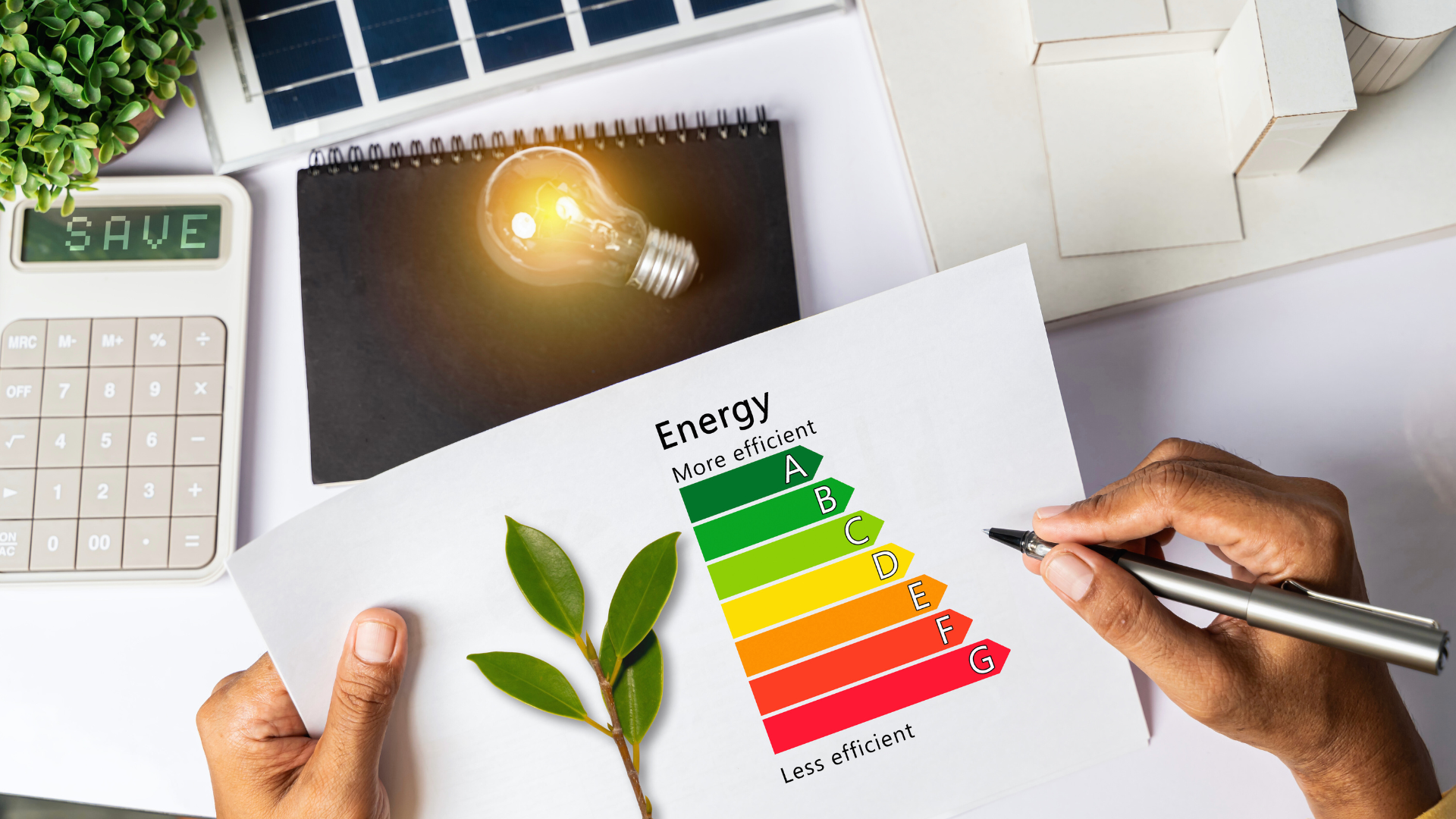
Saving energy at home doesn’t have to be complicated or time-consuming. Simple changes in daily routines and small adjustments to appliances can reduce energy use significantly. Easy, practical energy-saving tips can make a noticeable difference in both costs and environmental impact.
Many people overlook simple habits that waste energy without realising it. By adopting straightforward practices, anyone can lower bills while contributing to a more sustainable lifestyle. This post outlines clear and manageable ways to save energy every day.
Fundamental Energy-Saving Habits for Everyday Life
Adopting simple habits can significantly reduce energy use and lower energy bills. Building these practices into daily routines avoids energy waste without requiring major lifestyle changes.
Simple Routine Changes to Save Energy
Switching off lights when leaving a room is a straightforward way to cut energy consumption. Using natural daylight during the day instead of electric lighting also helps save energy.
Adjusting thermostat settings by just one degree lower in winter or higher in summer reduces heating and cooling costs. Unplugging or turning off chargers when not in use can further prevent unnecessary power draw.
These small efforts add up quickly, making a noticeable difference in monthly energy bills and overall consumption.
Turning Off Standby and Unused Appliances
Devices left in standby mode still consume power, often called “phantom load.” Televisions, computers, and kitchen appliances can account for up to 10% of household electricity use when not fully turned off.
Using power strips with switches allows for turning off multiple devices at once. Encouraging complete shutdowns rather than standby states can save energy and reduce costs without impacting convenience.
The Energy Saving Trust recommends regularly checking appliances and ensuring they are not drawing power unnecessarily when idle.
Efficient Heating and Hot Water Use
Heating and hot water make up the largest share of home energy use. Keeping radiators clear of furniture and using thermostatic radiator valves optimises room temperature efficiently.
Setting the boiler temperature to 60°C reduces energy waste while still providing sufficient hot water. Dripping taps and poorly insulated pipes should be repaired to prevent heat loss.
Using timers to heat water during off-peak hours can also lower energy bills, as excess energy is avoided during high-demand periods.
Easy Ways to Cut Energy Usage in Each Room
Reducing energy use in the home involves targeted actions for key areas, focused on efficient appliance use and better habits. This approach helps lower energy bills and cuts unnecessary power consumption throughout the day.
Kitchen Savings: Cooking and Appliances
In the kitchen, significant energy savings come from using appliances efficiently. Using a microwave or toaster oven instead of a conventional oven for small portions saves energy.
Turning off the oven a few minutes before the cooking time ends uses residual heat and reduces power. Ensuring the fridge door is closed tightly and set between 3-5°C keeps it from overworking.
Unplugging small appliances when not in use prevents standby energy drain. Regularly defrosting the freezer and cleaning the fridge coils also improves efficiency. Using lids on pots retains heat and cuts cooking times.
Bathroom and Laundry Energy Reductions
In the bathroom, cutting hot water use significantly reduces energy bills. Installing low-flow showerheads reduces water heating without sacrificing comfort. Taking shorter showers and using cold water for washing hands when possible also saves energy.
Laundry habits havea major impact. Washing clothes in cold water saves on heating. Running full loads maximises efficiency, and air drying clothes avoids the high energy use of tumble dryers.
Using energy-efficient washing machines with eco modes reduces heat and power consumption. Also, cleaning dryer filters and maintaining appliances prolongs their efficient performance.
Maximising Efficiency in Living Spaces
Living areas often use lighting and heating that can be optimised for savings. Switching to LED bulbs cuts electricity use compared to incandescent or halogen bulbs.
Making use of natural light during the day reduces the need for artificial lighting. Draft-proofing windows and doors helps maintain temperature, reducing heating bills.
Programmable thermostats or timers allow heating or cooling to run only when needed, avoiding waste. Turning off electronics and chargers when not in use prevents standby power loss and saves money.
Smart Technology and Monitoring for Energy Efficiency
Using smart technology can help people control energy use and reduce bills. Monitoring devices provide detailed data on consumption, enabling more informed decisions. Upgrading to efficient appliances supports these efforts by lowering overall power requirements.
Benefits of Installing a Smart Meter
A smart meter records electricity and gas usage in real time and sends the information directly to energy suppliers. This eliminates the need for estimated bills, which can often be inaccurate.
Users gain immediate insight into how much energy they use, helping them to spot wasteful habits. Many smart meters come with companion apps that show daily or hourly consumption. This transparency encourages adjustments to reduce unnecessary energy use.
Smart meters also help energy suppliers detect outages faster and provide better service. They support dynamic pricing models, allowing consumers to take advantage of lower rates during off-peak hours.
Tracking and Managing Energy Consumption
Monitoring energy use through smart devices allows households to identify high-usage appliances and periods of excessive consumption. With this data, users can schedule energy-intensive tasks for times when demand and costs are lower.
Digital energy dashboards or mobile apps often display consumption patterns and estimated costs. These tools enable users to set targets and track progress towards energy-saving goals. Automated alerts can notify when usage exceeds set limits.
Effective tracking fosters better energy management by making consumption visible and actionable. This helps reduce waste and control energy bills more effectively than traditional methods.
Using Energy-Efficient Appliances
Replacing old appliances with energy-efficient models can significantly cut electricity consumption. Appliances rated A++ or higher on the energy label use less power for the same performance.
Energy-efficient devices often include smart features, such as sensors or automatic shut-off, which further conserve energy. Common areas for upgrades include fridges, washing machines, and heating systems.
Investing in these appliances complements smart monitoring tools by lowering baseline energy needs. Over time, the savings on energy bills can offset the initial cost of purchasing more efficient equipment.
Switching Energy Suppliers and Accessing Support
Energy users can reduce their bills by choosing the right supplier and tariff. Various payment options are available, and financial support schemes can help those in need manage costs and increase energy savings.
How to Compare and Switch Energy Suppliers
Customers should start by checking comparison websites to view current suppliers and rates. The Energy Saving Trust website offers reliable tools for comparing prices and customer service ratings. Switching suppliers is usually free and can be done online or by phone.
Key factors to consider include standing charges, unit rates, and contract length. Some suppliers offer fixed tariffs that protect against price rises. Always read the terms carefully before switching to avoid exit fees or minimum contract periods.
The new supplier handles the switch, which usually takes 17 working days. Customers will receive a final bill from their old supplier based on the latest meter reading.
Understanding Tariffs and Payment Options
Tariffs vary widely between suppliers and can be standard variable, fixed, or green tariffs focusing on renewable energy. Fixed tariffs lock in prices for 12 or 24 months, shielding users from market fluctuations.
Payment methods include direct debit, pay-as-you-go meters, or prepayment cards. Direct debit often offers the best rates, whereas prepayment can help control usage but may be more expensive overall.
Many suppliers provide online accounts that track energy use and offer tips to improve energy savings. Understanding tariffs and choosing the right payment option can lead to substantial savings on energy bills.
Financial Help and Government Schemes for Energy Saving
Low-income households may qualify for financial assistance such as the Warm Home Discount, which offers a rebate on energy bills. The Energy Company Obligation (ECO) scheme funds home improvements like insulation and boiler upgrades.
Local councils also run support programmes in partnership with the government. The Energy Saving Trust website lists available grants and eligibility criteria.
Applying for these schemes involves checking qualifications and submitting an application through the supplier or local authority. Accessing support can reduce monthly costs and improve home energy efficiency.