
How to Protect Your Property Value with Proactive Maintenance
Every house is destined to become run down if left to its own devices. The foundations shift, the roof leaks, water infiltrates. It’s not a grand, sudden devaluing. It’s a quiet trickle, and it’s for the most part avoidable. The people who safeguard their investment in their home are not the people who splash out the most on remodelling. They’re the people who view maintenance as an investment rather than a list of odd jobs.
The Real Cost of Waiting
Putting off home maintenance might seem harmless, but it can lead to thousands of dollars in repairs. When you’re living your day-to-day life, it’s easy to overlook that leaking faucet or that HVAC system that hasn’t been serviced in years. But it’s important to stay on top of these things before they become major problems. Repairing something when it first breaks is often much cheaper than fixing the damage it causes.
Additionally, proper maintenance helps retain the value of your home. This means that when you eventually decide to sell, your home will fetch a good price on the market. So next time you’re considering delaying a repair, think about the consequences in the long run. It’s always better to be safe than sorry.
Start With Water -It Causes Most of the Damage
Water is the reason for most structural repair costs. It comes in from the roof, from improperly graded soil funneling runoff to the foundation, from failed window sealant, and from inappropriate "wet zones" in the home.
Your gutters and downspouts are the first defense. They have to be clear and discharge water at least six feet from the foundation. Groundwater pressure, the amount of local water in the soil, is exerted against the concrete non-stop. Anything that lets water pool against the structure contributes to that pressure.
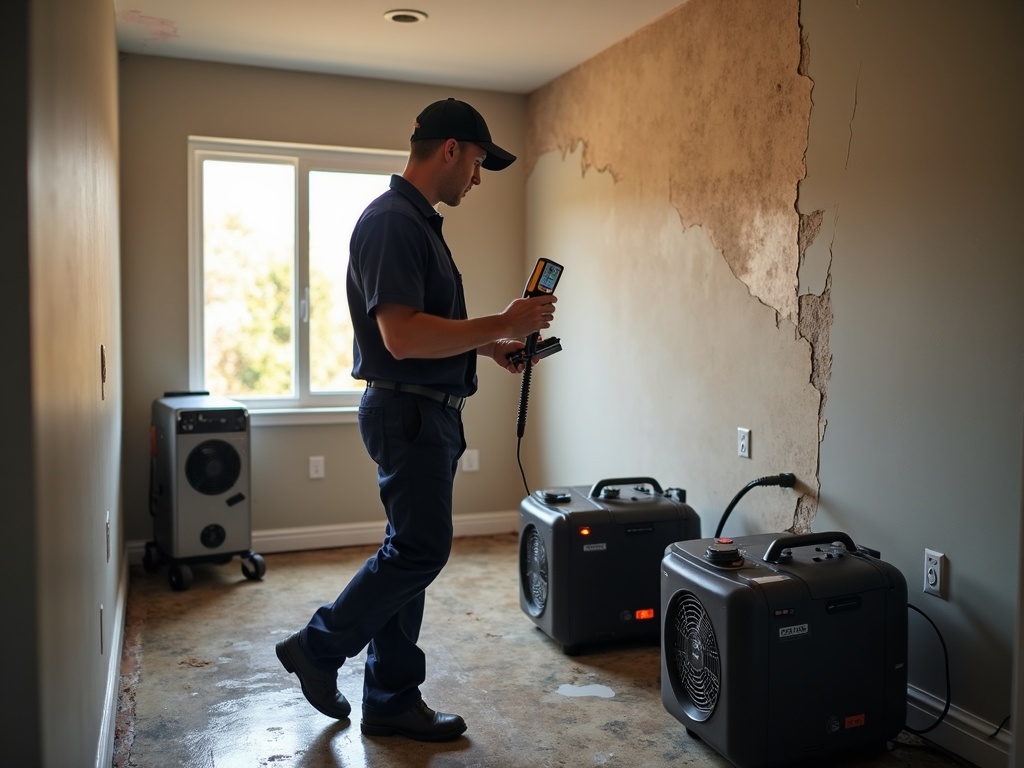
Inside the home, annual checks of bathrooms, laundry rooms, and the water heater area catch these slow leaks before they’ve rotted out enough subfloor to weaken visibly. A washing machine connection that drips for a few weeks a year can be patched, but not if half the floor is punky. A thermal imaging check by the inspector can isolate these wet spots, and it’s a cheap add-on service.
Finally, if there’s a broken pipe or a flood event that brings real water into the structure, professional water restoration should be understood as a stabilization measure, not a clean-up service. Water damage gets quite a bit worse before it starts coming under control and you’ve got mold and new subfloor to rip out.
Protect the Building Envelope Before it Fails
Maintaining the building envelope, roof, exterior walls, windows, is crucial for protecting the interior of a building. Repairs may seem minor or cosmetic, but once water starts seeping in, the damage becomes much more costly to fix.
For example, a few missing shingles may not seem like a big deal until you realize that water has been leaking into the roof for several months. The same goes for peeling exterior paint, it’s a sign that moisture has already reached the siding and is now affecting the paint.
Checking the grading and drainage around the foundation every year is also important since over time soil may settle and you may end up having water drain towards your building. Fixing this issue early is cheap and easy, while ignoring it can result in more serious damage down the road.
Mechanical Systems and Hidden Moisture
Heating, ventilation, and air conditioning systems that aren’t serviced frequently don’t just waste energy; they create condensation, an attractive source of moisture for mold. A well-running HVAC system doesn’t waste energy and keeps humidity in check, which means mold has a lot less to work with.
Air-sealing a home has the same double benefit. A tighter home saves on utility bills and keeps humidity from seeping into walls and insulation. It’s not a high-profile upgrade, but lacking it will show up when it’s time to sell.
A sump pump is a low-tech item that sometimes sits for years without use. However, it’s the only thing standing between your basement and thousands of dollars’ worth of damage. Every pump should be run through its paces once per season. Every battery backup should be replaced, they fail fast when they fail, and often without indicating so. A $50 annual maintenance item is a lot cheaper than a mold remediation.
Document Everything You Do
A home that has a maintenance record is valued more than an identical home without one. What’s been repaired or replaced, and how well, attest to the home’s level of care.
Buyers and appraisers don’t have any magical ability to know what’s gone on inside your four walls. If your home’s water heater has been replaced three times in the last five years, they’re never going to know it if you don’t tell them.
So keep a dozen file folders in your office for all the money you spend on home upkeep each year, broken down into repainting, rebuilding, replanting, repairing, and re-roofing. It’s valuable information for your future sale.