

Maintaining an air conditioning system is essential for efficiency and longevity. Regular upkeep can prevent costly repairs and ensure optimal performance during the hottest months. By following a few simple maintenance tips, individuals can significantly improve their AC unit’s functionality and lifespan.
One of the key maintenance practices involves changing or cleaning the filters regularly. Clogged filters restrict airflow, making the system work harder and reducing its efficiency. Additionally, scheduling professional maintenance annually can help identify potential issues before they escalate.
Understanding the importance of proper AC maintenance is crucial. Implementing these tips not only enhances comfort but also contributes to energy savings and improved air quality in homes.
Understanding AC Maintenance
Regular maintenance plays a critical role in the performance and longevity of an air conditioning system. Proper care enhances energy efficiency, minimises energy usage, and extends the lifespan of the unit. Familiarity with key components of the system aids in its effective maintenance.
However, air conditioners may malfunction sometimes, for reasons like lack of proper care or wear and tear over time. Common issues such as clogged filters, low refrigerant levels, or water leaks can reduce the lifespan of the AC unit if not diagnosed as early as possible. In these cases, it can be helpful to consult Tucson AZ AC repair technicians or others in the locality for a proper diagnostic analysis of the system. Consulting such professionals can improve the health of the air conditioning system. They may also advise on the duration between which regular maintenance can be scheduled, ensuring that your system stays in optimal condition and operates efficiently throughout the year.
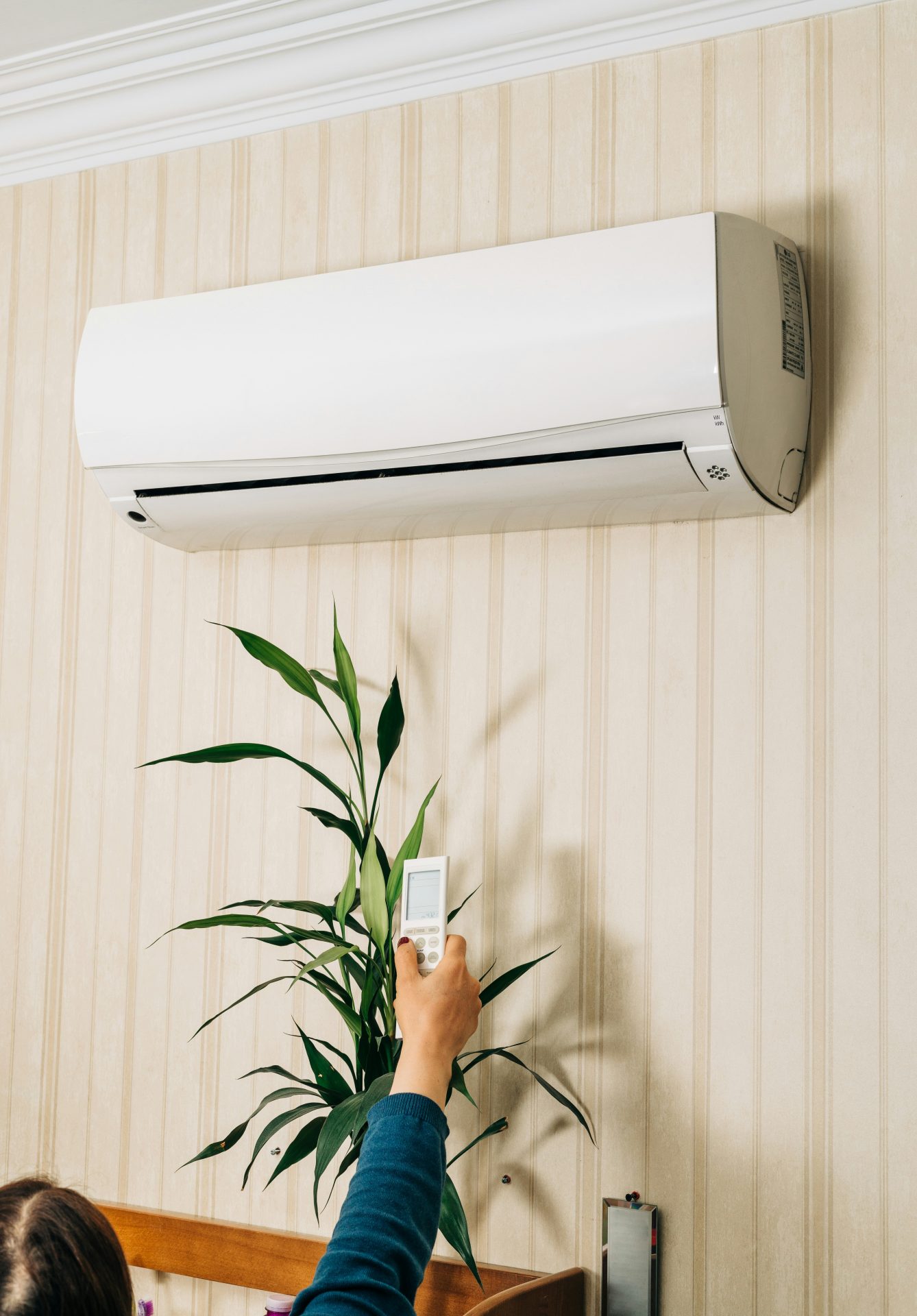
The Importance of Regular Tune-Ups
Regular tune-ups are essential for maintaining a cooling system’s efficiency. They involve checking various components, cleaning, and identifying potential problems before they escalate. Scheduled maintenance typically includes inspection of filters, coils, and the overall unit operation.
A professional technician will ensure that the system is operating at peak performance. This process can also lead to significant savings on energy bills, as a well-maintained system uses less electricity. Beyond efficiency, maintaining indoor air quality is just as important. Consider scheduling Air Quality Testing in Montpelier, VT to detect potential pollutants, allergens, or mold that could be affecting your home’s air. Addressing air quality issues alongside HVAC maintenance can create a healthier and more comfortable living environment. Failure to conduct regular tune-ups may result in higher energy usage and costly repairs.
Identifying Common AC Components
Understanding key AC components aids in effective maintenance. Notable parts include the compressor, condenser, evaporator coil, and air filters. Each component plays a vital role in the cooling process and requires attention during maintenance.
- Compressor: Circulates refrigerant and compresses gas into liquid.
- Condenser: Releases heat from the refrigerant outside the home.
- Evaporator Coil: Absorbs heat, cooling the air inside the space.
- Air Filters: Capture dust and particles, protecting internal components.
Regularly checking and cleaning these parts can prevent breakdowns and enhance overall energy efficiency. Understanding these components allows for better maintenance practices, contributing to improved system performance and lifespan.
Practical Maintenance Tips
Routine maintenance is essential for optimal air conditioning performance. By following specific practices, one can ensure the efficiency and longevity of the unit.
Replacing and Cleaning Air Filters
Regularly replacing and cleaning air filters is critical for maintaining airflow. Clogged filters hinder the system’s efficiency and can lead to increased energy bills.
Filters should be checked every month, especially during peak usage seasons. If they appear dirty or blocked, replacement is necessary.
When replacing filters, select the correct size and type for the unit. Common options include HEPA and standard fibreglass filters. The chosen filter should meet the manufacturer’s specifications for maximum effectiveness.
Cleaning reusable filters involves rinsing them with lukewarm water and allowing them to dry completely before reinstalling them. This simple step can significantly enhance the system’s performance.
Inspecting Refrigerant Levels
Refrigerant levels should be inspected periodically to ensure they remain within recommended limits. Insufficient refrigerant can lead to diminished cooling capability and compressor damage.
To check refrigerant levels, a qualified technician can measure the pressures in the system using specialised gauges. If levels are low, it may indicate a leak that requires immediate attention.
If a technician detects a leak, repairs should be made by a professional to avoid further damage and to operate within safety regulations. Never attempt to add refrigerant without proper training and equipment, as this can cause harm to both the equipment and the environment. In such situations, it can be better to let professional air conditioning repair services take care of the issue, as they are properly equipped to handle such tasks efficiently. They can also offer regular maintenance to ensure your system remains in optimal condition, thus preventing any minor issues from turning into major problems.
Maintaining the Condensate Drain Line
The condensate drain line removes excess moisture from the air conditioning system. If this line becomes blocked, it can lead to water damage and a reduction in cooling efficiency.
Routine checks should be performed to ensure the drain line is clear. A common method for cleaning involves using a wet/dry vacuum to remove any blockages.
Adding a mixture of bleach and water can help prevent algae buildup in the drain line. It is advisable to perform this maintenance task during the start of the cooling season to ensure optimal operation.
Cleaning and Straightening the Fins
The fins on the evaporator and condenser coils can bend and accumulate debris, impairing performance. Cleaning the fins should be part of regular maintenance.
Using a soft brush or a fin comb helps remove dust without damaging the delicate fins. If bent, they should be carefully straightened to restore airflow efficiency.
Maintaining clean, straight fins can improve heat exchange and reduce strain on the system, ultimately prolonging its lifespan. Regular visual inspections can help identify any issues before they escalate.
Professional AC Servicing
Regular professional servicing is essential for maintaining optimal air conditioning performance. Knowing when to hire a professional and understanding the advantages of expert HVAC maintenance can help ensure long-term efficiency and reliability.
When to Hire a Professional
Timing plays a crucial role in HVAC maintenance. Homeowners should consider hiring a professional technician at key moments, such as:
- Seasonal Preparation: Engage an HVAC contractor before summer or winter to prepare the system for heavy use.
- Unusual Noises: If the AC unit makes buzzing, grinding, or rattling sounds, it’s time to call a professional.
- Poor Airflow: Insufficient airflow may indicate duct issues or mechanical faults.
- Increased Energy Bills: A sudden surge in energy costs could suggest inefficiency, warranting an expert assessment.
Establishing a relationship with a qualified HVAC technician can lead to proactive maintenance, helping to prevent major breakdowns.
Advantages of Expert HVAC Maintenance
Hiring a professional for maintenance offers numerous benefits:
- Thorough Inspections: Experienced technicians conduct comprehensive checks, identifying potential issues before they escalate.
- Expertise: Professionals possess specialised knowledge, ensuring the proper functioning of complex systems.
- Safety: Technicians are trained to handle refrigerants and electrical components safely, minimising risks.
- Warranty Protection: Regular professional servicing can help maintain manufacturer warranties for units.
Investing in expert maintenance helps prolong the lifespan of the AC system and optimises energy efficiency, ultimately saving money in the long run.
DIY Maintenance and Care
Regular DIY maintenance can optimise the efficiency of air conditioning units. By performing simple tasks, individuals can enhance cooling capacity and prolong the system’s lifespan. Key activities include visual inspections and lubricating moving parts.
Conducting Visual Inspections
Conducting regular visual inspections is crucial for maintaining an air conditioning unit. This involves checking for any visible signs of wear or damage. Inspect the exterior for rust, corrosion, and cracks that may indicate underlying issues.
Key areas to examine include:
- Electrical connections: Ensure wires and connectors are intact and dry.
- Insulation: Check for any fraying or damage around the ductwork.
- Coils: Look for dirt or debris on both the evaporator and condenser coils, as this can severely affect performance.
Cleaning the coils improves air circulation and increases cooling capacity. It is advisable to clear any obstructions, such as leaves or dirt, from around the unit.
Lubricating Moving Parts
Lubricating moving parts is essential for reducing friction and wear in motors and fan assemblies. Failing to do so may lead to increased energy consumption and possible breakdowns.
Use a high-quality lubricant specifically designed for HVAC systems. Focus on areas such as:
- Fan motors: Both the indoor and outdoor fans require regular lubrication.
- Compressor: Keep the compressor’s moving parts well-lubricated to ensure efficient operation.
Perform this task at least once a year to maintain optimal performance. Proper lubrication not only extends the unit’s life but also enhances its cooling effectiveness.