
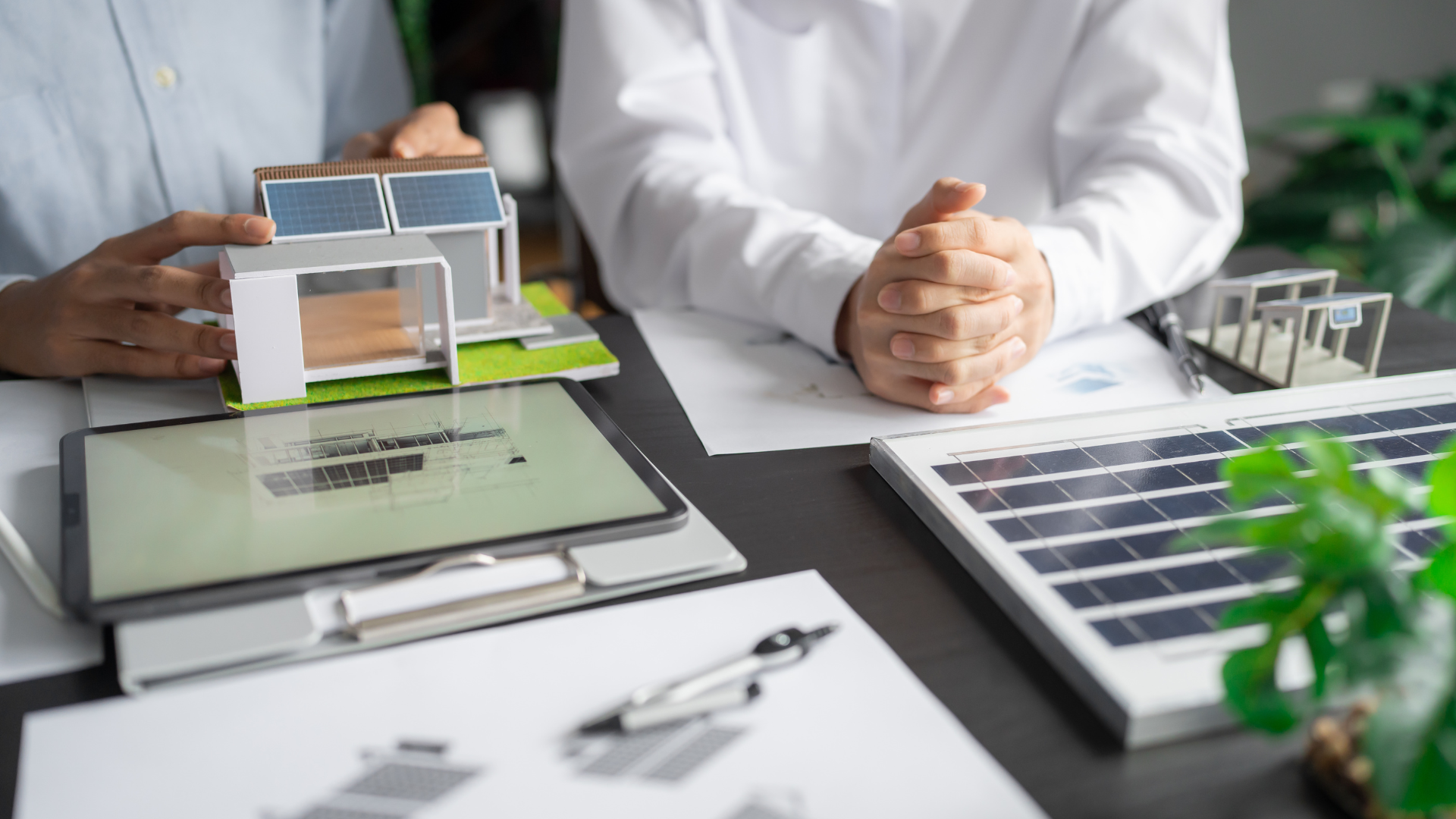
In today’s world, energy-efficient lighting is more important than ever for creating a greener home. Utilising LED bulbs, smart lighting systems, and solar-powered options significantly reduces energy consumption and environmental impact. These choices not only enhance sustainability but also lower electricity bills, making them both eco-friendly and economically sensible.
Homeowners looking to improve their lighting can explore a variety of options that fit different needs and aesthetics. From retrofitting existing fixtures with energy-efficient bulbs to installing motion sensors that minimise wasted light, there are many strategies available. Emphasising energy efficiency in home lighting contributes to a healthier planet and promotes responsible consumption.
By adopting these energy-efficient lighting ideas, individuals can take actionable steps towards a more sustainable lifestyle. Embracing these solutions not only helps the environment but also creates a comfortable and well-lit living space.
Choosing the Best Energy-Efficient Lighting for Your Home
Selecting the right energy-efficient lighting can significantly impact energy costs and sustainability. It is essential to understand the various options available, their characteristics, and how they can contribute to a greener home.
LEDs vs. CFLs vs. Incandescent Bulbs
When comparing LED, CFL, and incandescent bulbs, LEDs often emerge as the top choice. LEDs, or light-emitting diodes, provide exceptional energy efficiency, using up to 75% less energy than incandescent bulbs. They also have a longer lifespan, lasting up to 25,000 hours.
CFLs, or compact fluorescent lamps, are another energy-efficient option, consuming about 70% less energy than incandescents. They typically last around 10,000 hours but contain a small amount of mercury, which requires careful disposal.
Incandescent bulbs, while offering warm light and low initial costs, are the least efficient, converting only a small portion of energy into light. They have a shorter lifespan of around 1,000 hours and consume significantly more energy over time.
Ultimately, to make an informed choice, consulting electrical professionals from reputable firms like Court Electric can often be highly beneficial. These experts can evaluate lighting needs, energy goals, and safety considerations to recommend the most suitable bulb type for each space.
Evaluating Durability and Lifespan
Durability and lifespan are crucial factors when selecting lighting solutions. LED lights are highly durable, often rated for 25,000 hours or more, and can withstand frequent switching, making them ideal for both residential and commercial use.
CFLs, with a lifespan of about 10,000 hours, are less durable than LEDs. They can be sensitive to temperature fluctuations and may flicker when turned on.
Incandescent bulbs have the shortest lifespan at around 1,000 hours and are prone to breakage. Their fragile construction makes them less suitable for high-traffic areas.
Understanding Colour Temperature
Colour temperature affects the mood and ambience of a space. Measured in Kelvin (K), it ranges from warm (2700K) to cool (6500K).
LEDs are available in a variety of colour temperatures, allowing for flexibility in home lighting design. Warm white light (2700 K- 3000 K) is ideal for living spaces, while cool white (4000 K- 5000 K) is suitable for work areas.
CFLs can also provide different colour temperatures, but it is essential to check the packaging. Incandescent bulbs typically emit a warm light, making them comfortable but less versatile for varied settings.
Choosing the right colour temperature enhances both functionality and aesthetics in a home environment.
Sustainable Lighting Design and Innovative Solutions
Innovative approaches to lighting design can significantly enhance energy efficiency and promote sustainability in homes. By focusing on utilising natural light, incorporating smart technology, and selecting eco-friendly materials, homeowners can create a greener living environment.
Utilising Natural Light
Harnessing natural light is pivotal in sustainable lighting design. Proper window placement and the use of skylights and rooflights can maximise daylighting, reducing the reliance on artificial lighting.
To truly maximize daylighting and thermal performance, selecting high-quality glazed solutions is equally crucial. Modern designs often feature thermally broken frames and advanced double glazing, like 35.5mm Pilkington units, to prevent heat loss and gain effectively.
These specialized units not only enhance natural light but also contribute significantly to a building’s overall energy efficiency and comfort. Exploring various glazed hatch options can reveal innovative solutions for both roof access and daylighting, ensuring optimal performance and durability.
Such installations can transform spaces by bringing in ample natural light while maintaining superior insulation properties, making them a smart investment for sustainable homes.
Key strategies include:
- Orientation: Position windows to capture sunlight throughout the day.
- Reflective Surfaces: Use light-coloured walls and ceilings to bounce natural light deeper into spaces.
- Daylight Harvesting: Incorporate shades or blinds that adjust automatically based on sunlight intensity.
By designing spaces with natural light in mind, it is possible to lower electricity use and enhance overall well-being.
Incorporating Motion Sensors and Smart Controls
Motion sensors and smart lighting control systems are crucial for modern, energy-efficient homes. These technologies automatically adjust lighting levels based on occupancy and time of day.
Benefits include:
- Energy Savings: Lights turn off when a room is unoccupied, preventing energy waste.
- Customisation: Homeowners can program lighting to suit different activities and moods.
- Remote Access: Smart controls allow for adjustments via mobile devices, even when away from home.
Implementing these innovative solutions not only enhances convenience but also contributes to reduced energy consumption.
Selecting Sustainable and Recycled Materials
Choosing sustainable materials for light fixtures and structural components helps minimise the environmental impact.
Options include:
- Reclaimed Wood: This not only adds character but also reduces the demand for new lumber.
- Bamboo: A fast-growing alternative that is strong and renewable.
- Recycled Materials: Light fixtures made from recycled aluminium or glass minimise new resource extraction.
Focusing on these eco-friendly materials can create visually appealing and environmentally responsible lighting designs.
Maximising Energy Conservation and Reducing Environmental Impact
Maximising energy conservation plays a crucial role in minimising environmental impact. Implementing effective strategies can significantly lower carbon footprints, decrease greenhouse gas emissions, and reduce energy costs.
Reducing Carbon Footprint and Greenhouse Gas Emissions
To effectively reduce carbon footprints, integrating energy-efficient lighting is essential. Switching to LED bulbs can lead to a substantial reduction in greenhouse gas emissions, as these bulbs consume less power compared to traditional incandescent options.
Consider the following benefits of LED lighting:
- Lower Energy Use: LEDs use about 75% less energy.
- Extended Lifespan: They can last up to 25,000 hours, minimising waste.
- Reduced Heat Emission: This decreases the reliance on fossil fuels for cooling.
Choosing renewable energy sources for electricity can further amplify these benefits, contributing to a greener home.
Lowering Energy Costs and Saving Money
Energy-efficient lighting not only reduces environmental impact but also lowers energy costs. Using LEDs or compact fluorescent lamps (CFLs) can result in significant savings on electricity bills.
Key aspects to consider:
- Initial Investment: Although energy-efficient bulbs may have a higher upfront cost, they save money in the long run through lower energy consumption.
- Smart Controls: Incorporating timers or motion sensors can further reduce electricity usage during unoccupied times.
- Incentives: Many local governments offer rebates for energy-efficient upgrades, making the transition more financially feasible.
In addition to energy-efficient lighting, many homeowners rely on alternative energy sources such as propane to further reduce costs and environmental impact. Propane is a cleaner-burning fuel commonly used for heating, cooking, backup generators, and outdoor appliances, offering reliable performance with lower emissions than many traditional fuels. Partnering with a dependable supplier like Wendts Propane or similar others, ensures timely propane delivery and consistent energy availability, particularly in areas without access to natural gas, helping homeowners maintain comfort while supporting a balanced, energy-efficient household strategy.
Enhancing Insulation and Efficiency
Improving insulation is vital to maximise energy conservation. Proper insulation reduces the need for heating and cooling, allowing homes to maintain comfortable temperatures more efficiently.
Effective insulation methods include:
- Sealing Gaps: Addressing cracks and gaps around windows and doors prevents heat loss.
- Radiant Barriers: Installing reflective barriers can limit heat gain in warmer months.
- Insulating Lighting Fixtures: Ensuring that lights do not compromise insulation helps maintain energy efficiency.
By enhancing insulation, homeowners can achieve a more sustainable living environment, resulting in further energy savings and reduced carbon emissions.
Outdoor and Security Lighting for a Greener Home
Choosing outdoor and security lighting with an eco-friendly focus greatly enhances sustainability and efficiency. Implementing energy-saving measures can significantly reduce energy consumption while ensuring the safety and durability of fixtures.
Implementing Energy Saving Outdoor Security Solutions
Incorporating energy-efficient outdoor security lighting is essential for a greener home. Using LED lights offers significant savings, as they consume up to 80% less energy than traditional bulbs.
Motion sensors can be installed to activate lights only when needed. This reduces constant power usage and helps extend the lifespan of lighting systems.
Choosing solar-powered lights is another effective solution. They harness sunlight during the day, providing illumination at night without drawing from the grid.
Selecting fixtures with smart technology can also allow homeowners to control lighting remotely, enhancing both security and energy savings. This approach ensures that outdoor areas remain secure while minimising unnecessary energy use.
Weatherproof and Durable Fixtures
When selecting outdoor lights, durability is crucial to withstand environmental challenges. Weatherproof fixtures protect against moisture, wind, and extreme temperatures, ensuring longevity and reducing replacement costs.
Materials such as stainless steel, aluminium, or robust plastics are often recommended. These materials resist corrosion and harsh conditions, prolonging the life of outdoor lighting.
Moreover, manufacturers should provide guarantees or warranties that reflect customer confidence in their products. Items backed by solid customer service can reassure consumers about their choices.
Incorporating sustainable practices in outdoor lighting encourages energy efficiency while contributing to a greener home landscape. These steps not only improve functionality but also emphasise environmental responsibility.